Raising Young Systems Thinkers, One Everyday Moment at a Time

Today we dive into teaching children systems thinking through everyday activities, using familiar routines, play, and simple experiments to reveal connections, feedback, and change over time. From breakfast rushes to backyard discoveries, we will transform ordinary moments into engaging learning experiences that build curiosity, confidence, and collaboration. Expect practical prompts, playful stories, and gentle guidance that help families notice patterns, test small improvements, reflect together, and celebrate progress without pressure. Bring a timer, crayons, and an open mind.

Breakfast, Backpacks, and Feedback Loops

The morning scramble becomes a living laboratory where children notice how tiny delays ripple through the entire routine. By mapping steps, spotting bottlenecks, and experimenting with small adjustments, families experience feedback loops firsthand. We emphasize reflection over blame, curiosity over control, and learning over perfection. A few sticky notes, a kitchen clock, and patient conversation can transform chaos into flow, showing kids that systems respond to choices and change across days, not just minutes.

Finding Bottlenecks Before the Bus Arrives

Invite children to trace the route from waking up to walking out the door, listing every step and estimating time. Ask where socks vanish, why teeth brushing slows everything, and how lunch packing collides with shoe tying. Together, test moving backpack prep to the evening, or placing shoes near the door. Observe results for a week, compare mornings, and celebrate improvements. Kids learn that changing one step can relieve pressure elsewhere, like easing a traffic jam.

Tiny Experiments with Timers and Checklists

Turn routines into playful experiments. Use a gentle timer to explore how music, labeled bins, or a visual checklist influence pace and mood. Encourage predictions, then capture outcomes with simple marks or smiley faces. Discuss what felt easier, what felt rushed, and why. Over several days, compare patterns, adjust one variable at a time, and keep experiments lightweight. Children practice designing tests, reading feedback, and improving processes without judgment, discovering that systems thinking thrives on curiosity and iteration.

Celebrating Flow, Not Just Speed

Replace race-to-finish mindsets with a focus on smooth flow and calm handoffs. Ask which transitions felt kind and which felt bumpy, then co-design small nudges that make passing tasks easier. Perhaps a breakfast staging area, or a water bottle refill station. Track emotional temperature alongside timing, noticing that calmer flow often shortens total time. End each week with a family high-five ritual and a short reflection, growing resilience, gratitude, and a shared sense of ownership over the morning system.

Kitchen Labs: Recipes, Ratios, and Resilience

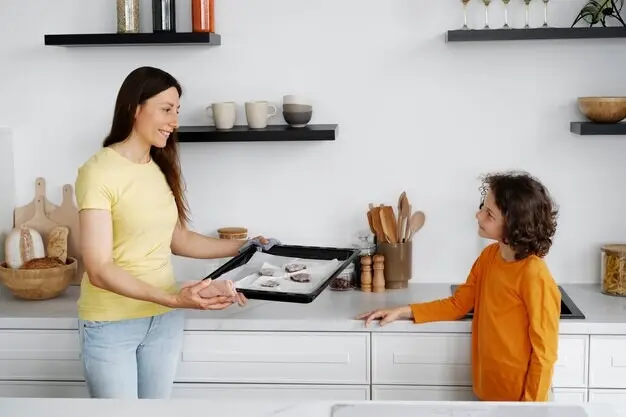
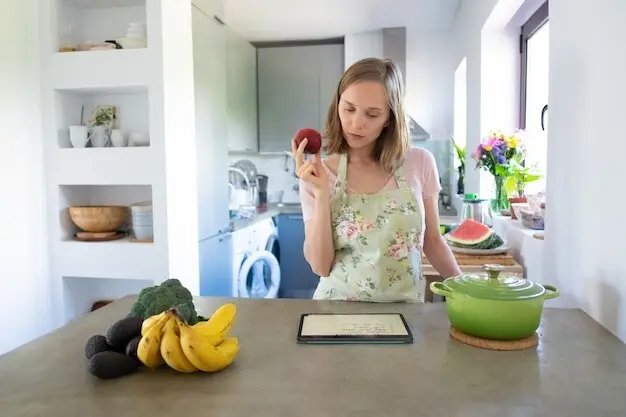
Cooking invites children to see structure, interdependence, and feedback through their senses. Ingredients act as inputs; mixing and heating create transformations; tasting offers immediate data. Children learn about ratios when doubling pancakes, variability when ovens misbehave, and delayed effects when dough rests. Encourage predictions, taste-as-you-go checks, and post-meal retrospectives. When something fails, together diagnose causes and propose adjustments for next time. The kitchen becomes a forgiving studio where systems skills rise with the bread and confidence.

Backyard Ecosystems and Curious Cause-and-Effect
A short walk transforms into a portal for observing interdependence. Children watch pollinators, soil, water, and weather interact in dynamic patterns. They sketch who depends on whom, where energy flows, and how small disturbances propagate. When puddles linger, they ask why. When ants reroute, they infer constraints. Encourage gentle, respectful curiosity—no collecting, lots of noticing. Over weeks, they see cycles, delays, and feedback that mirror household routines and classroom dynamics, cultivating empathy for living systems and patience with gradual change.

Playroom Simulations: Games that Explain the World

Board games, blocks, and make-believe create safe spaces to model scarcity, cooperation, and emergent behavior. Adjust rules, track outcomes, and reflect together. Children witness how incentives shape choices and how shared goals reduce friction. Encourage changing only one rule per round to see clearer effects. Discuss fairness, probability, and trade‑offs without turning joy into lectures. Invite kids to propose experiments, predict results, and celebrate honest surprises. These playful simulations build intuition for complexity while preserving wonder and laughter.

Choreography of Chores: Visualizing Work as Flow

Household tasks become clearer when visualized as work moving through stages. With a simple family board, children limit simultaneous tasks, pull new work only when ready, and track blockers openly. This transparency reduces frustration and sparks collaboration, as kids learn to ask for help earlier and propose better sequencing. Weekly check‑ins replace nagging with data and gratitude. Over time, families experience steadier rhythms, fewer emergencies, and a shared language for continuous improvement that respects energy, attention, and dignity.

A Family Kanban that Kids Own

Create three columns—To Do, Doing, Done—and write chores as cards children can move. Add playful avatars and color codes for urgency or energy level. Introduce a work‑in‑process limit to prevent overwhelm. Hold lightning stand‑ups: What’s blocked? What’s next? After a week, reflect together on smoother handoffs and surprising delays. Empowering kids to own the board cultivates autonomy, visibility, and teamwork. The result is not just tidy rooms, but a shared understanding of flow and responsibility.

From Firefighting to Forecasting

Track recurring tasks on a monthly calendar and estimate effort using simple icons like raindrops for light or clouds for heavy. Compare predictions to reality, asking where estimates drifted and why. Encourage children to propose buffers before busy periods, like prepping laundry baskets in advance. As accuracy improves, stress declines. Kids learn that thoughtful planning reduces firefighting, that surprises still happen, and that flexible systems absorb shocks better than rigid ones. Forecasting becomes a gentle, confidence‑building family ritual.

Retrospectives with Cookies

Once a week, hold a delicious debrief with warm cookies or fruit. Ask three questions: What went well? What was tricky? What will we try differently? Keep notes, draw doodles, and assign one tiny experiment for next week. Celebrate attempts, not just outcomes. This sweet ritual normalizes feedback, honesty, and continuous improvement. Children internalize that families succeed by learning together, not by pretending everything is perfect. The crumbs stay on the plate; the insights carry into school, friendships, and future projects.

Stories, Sketches, and Simple Maps of Complexity

{{SECTION_SUBTITLE}}
Drawing Causal Loops with Crayons
Start with a real situation, like homework frustration, and draw simple circles that connect effort, understanding, and confidence. Encourage children to add influences like breaks, snacks, and encouragement from caregivers. Use arrows with plus or minus signs to show relationships, then tell a short story about the loop in words they choose. Place the drawing on the fridge and revisit after a week. Seeing their own ideas framed visually empowers agency, invites reflection, and normalizes thoughtful change.

Behavior‑Over‑Time Graphs for Feelings and Projects

On blank paper, draw a time axis and a vertical scale for energy, mood, or progress. Ask children to chart last week’s feelings during a reading project, then annotate moments that changed the curve: a helpful hint, a confusing instruction, a good night’s sleep. Discuss gentle adjustments to shift tomorrow’s slope. Repeat monthly to notice patterns and celebrate growth. These simple graphs teach trend awareness, reduce all‑or‑nothing thinking, and create compassionate conversations about pacing, perseverance, and self‑care.
Loropexidavolentotavonilo
Privacy Overview

This website uses cookies so that we can provide you with the best user experience possible. Cookie information is stored in your browser and performs functions such as recognising you when you return to our website and helping our team to understand which sections of the website you find most interesting and useful.