
Turn Everyday Tasks into a Flow That Works
Seeing the Home as a System
From Chaos to Flow
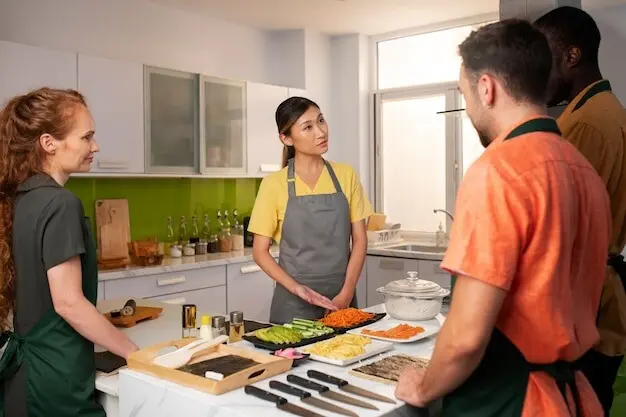
Start by capturing raw tasks without judgement, then cluster by purpose and order them by natural prerequisites. When you link steps with arrows and simple notes, patterns emerge: blockers appear, parallel work becomes visible, and the path to a calmer day stops being guesswork.
Dependencies You Can Feel
Note which chores demand quiet, water, sunlight, or free counter space. Those constraints behave like dependencies in any project plan. Align them on your map, and you’ll prevent clashes, reduce context switching, and protect precious focus during moments that matter, like bedtime or rushed mornings.
Designing Workflows that Respect Energy and Time

Paper that Outperforms Apps on Busy Mornings
Lightweight Digital Boards
Tiny Automations with Big Payoffs
Honest Conversations about Invisible Labor
Rotations that Don’t Collapse
Make Handoffs Obvious
Data, Feedback, and Continuous Improvement
01
Measure What Matters
Instead of timing scrubbing minutiae, measure outcomes that improve life: number of clean outfits ready Monday morning, dishes available by breakfast, or average pantry stockouts. Outcomes drive better conversations than hours, focusing attention on reliability, comfort, and the freedom good systems quietly create.
02
Fast Feedback Loops at Home
Post a tiny survey on the fridge or run a five-minute retro at Sunday dinner. Ask what felt heavy, what felt smooth, and where a sign or checklist could help. Regular pulses keep experiments humane and adaptable when seasons, schedules, or abilities change.
03
Small Experiments, Real Gains
Try one-week tests with a clear hypothesis: moving the laundry basket to the bathroom will double sorting compliance. Observe, adjust, and commit to the next tweak. Low-risk experiments preserve goodwill, reveal surprising constraints, and yield calm mornings without demanding heroics or endless willpower.
Stories from Real Kitchens and Hallways




Getting Started Today
All Rights Reserved.