From Pantry to Planet: Eating with Insight and Intention

Today we explore applying systems thinking to nutrition and meal planning, connecting hunger signals, pantry stocks, shopping routes, social cues, and time constraints into one understandable picture. With stories, experiments, and practical tools, you’ll design meals that adapt, reduce waste, and nourish body and mind.

See the Whole Plate: Mapping Connections That Shape Every Bite

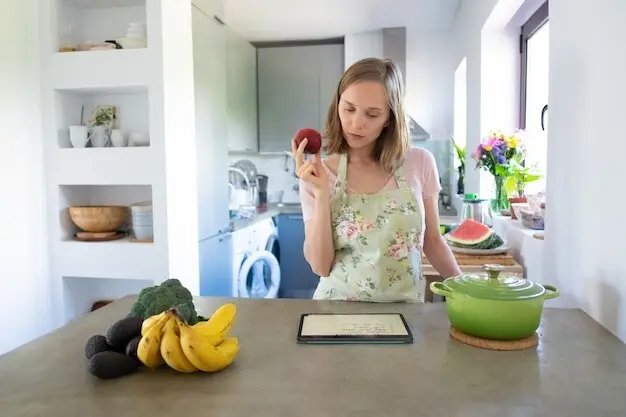
Before changing meals, trace the relationships shaping them: pantry stocks, budget flows, cooking skills, time windows, cravings, and cleanup capacity. A quick map on paper revealed why my vegetables spoiled—shopping on Sunday, energy low on Monday—so we redesigned prep rituals and stopped losing freshness, money, and motivation.

Designing Defaults That Nudge Without Nagging

Defaults save attention. If lunch is a repeatable template—grain, greens, legumes, colorful topping—decisions shrink while variety remains endless. Rotate sauces and herbs. A fridge note says, “Build the bowl,” and the question shifts from whether to eat well to how to enjoy it today.

Portion and Plate Geometry as Quiet Guides

Smaller plates, taller glasses, and pre-portioned containers change perception without deprivation. Research shows visual cues guide serving sizes more than hunger alone. I moved snacks into tiny jars, and magically, a “single serving” became satisfying because the environment whispered, not my willpower shouted.

Friction: Remove It for Good, Add It for Temptations

Make wholesome choices easy and less wholesome ones inconvenient. Wash berries right away, pre-slice carrots, and keep cookies in the freezer behind ice packs. The tiny pause adds just enough reflection to choose better, while convenience flows toward foods that truly serve you.

Plan Like a System: Dynamic Menus That Evolve With You

Rigid plans crack under real life, so build living menus that flex with energy, schedules, and leftovers. I keep two fast dinners, two slow, and one experimental dish. When meetings run late, the structure automatically pivots without guilt, waste, or expensive takeout.

Measure What Matters: Data That Improves Meals, Not Moods

Numbers should serve nourishment, not anxiety. Track lightly, reflect weekly, and validate with how clothes fit, energy feels, and labs when appropriate. I once ditched a perfectly logged month because meals felt joyless; better measures restored satisfaction, consistency, and health.

People Power: Support, Accountability, and Joyful Meals

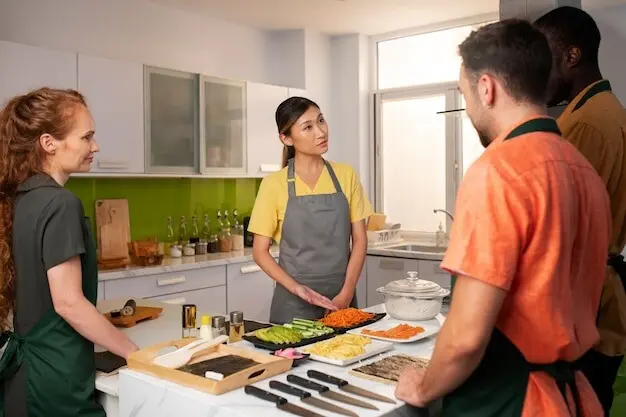
Invite allies. Share a rotating soup night, trade recipes, or start a message thread for midweek encouragement. When friends expect your bean chili on Thursdays, consistency stops being lonely. Accountability turns into celebration, and shared meals become tiny rituals that nourish belonging.

Seasons, Supply Chains, and Smarter Shopping

Plan around what the land offers. Build menus from what is abundant and affordable this week, not what a recipe demands. Seasonal produce tastes better, travels less, and stretches budgets. A simple matrix—price, freshness, versatility—guides smarter, kinder decisions without sacrificing pleasure.


Sustainability Co-Benefits Without Perfectionism

Reduce impact through practical steps: cook once, eat twice; favor plants; embrace leftovers; and compost when possible. Perfection kills progress. Start where you stand, tell a friend, and celebrate each tiny improvement because shared momentum often outlasts solitary resolve.

Resilience and Identity: Habits That Bend Without Breaking

Strong systems absorb shocks. Travel, illness, guests, or deadlines need not erase progress when identity leads actions. I tell myself, “I am a careful cook even on chaotic days,” then lean on backups, forgiving recipes, and routines that resume without drama.

Tiny Cues and Rituals That Anchor Consistency

Anchor behavior to small cues: fill a water bottle after brushing teeth, set oats near the kettle, and place a skillet on the stove before bed. Morning momentum removes friction, and identity grows each time the ritual carries you forward effortlessly.

Adaptive Playbooks for Illness, Travel, and Stress

Life happens. Prepare scripts for travel days, stressful weeks, and sick nights: hydration first, simple soups second, delivery with vegetables third. A clear order of operations keeps standards compassionate, not collapsed, and protects sleep so the system resets sooner rather than later.

Becoming the Kind of Person Who Eats With Purpose

Instead of chasing perfect streaks, adopt a narrative: I am the kind of person who pauses, plans, and plates with care. Stories steer actions. Share yours in the comments, subscribe for weekly experiments, and invite a friend to build alongside you.
Loropexidavolentotavonilo
Privacy Overview

This website uses cookies so that we can provide you with the best user experience possible. Cookie information is stored in your browser and performs functions such as recognising you when you return to our website and helping our team to understand which sections of the website you find most interesting and useful.