
Turn Everyday Tasks into a Flow That Works

Today we explore mapping household chores as interconnected workflows, turning scattered routines into visual systems that reduce friction, reveal dependencies, and make collaboration easier. You’ll see how mapping clarifies timing, exposes bottlenecks, and transforms repetitive tasks into a smooth, shared rhythm everyone can understand and improve together.

Seeing the Home as a System

Imagine your home like a networked workshop where every task feeds another: groceries enable cooking, cooking creates dishes, dishes rely on hot water and space, and laundry hinges on sorting and drying capacity. Seeing connections turns nagging chores into coordinated movements that save minutes, energy, and mental bandwidth.

From Chaos to Flow

Start by capturing raw tasks without judgement, then cluster by purpose and order them by natural prerequisites. When you link steps with arrows and simple notes, patterns emerge: blockers appear, parallel work becomes visible, and the path to a calmer day stops being guesswork.

Dependencies You Can Feel

Note which chores demand quiet, water, sunlight, or free counter space. Those constraints behave like dependencies in any project plan. Align them on your map, and you’ll prevent clashes, reduce context switching, and protect precious focus during moments that matter, like bedtime or rushed mornings.

Designing Workflows that Respect Energy and Time

Household work succeeds when matched to energy, not only hours. Group light tasks before cognitively heavy ones, stack compatible steps, and schedule tedious jobs alongside pleasant rituals. Designing this way reduces procrastination, shortens recovery after interruptions, and builds sustainable routines you actually want to repeat daily.

Paper that Outperforms Apps on Busy Mornings

A marker, three columns, and reusable sticky notes can beat sophisticated software when hands are wet and phones are charging. Paper boards invite kids to move tasks physically, reward progress instantly, and survive splashes, crumbs, and hurried elbows without logins, updates, or forgotten passwords.

Lightweight Digital Boards

Shared lists with due windows, not hard deadlines, reduce pressure while still surfacing priorities. Labels for rooms, energy levels, and people create clarity. A single Today view focuses effort, while archives keep history for learning without cluttering the space where new action begins.

Tiny Automations with Big Payoffs

Use voice routines to start timers, play cleanup music, and log supplies to a shared list. NFC tags by appliances trigger repeat checklists. These micro-automations remove decision friction, prevent missed steps, and create reliable signals that tell everyone what comes next without nagging.

Honest Conversations about Invisible Labor

List everything, including planning, inventory checks, and appointments. Many contributions happen offstage and deserve recognition. When you make thinking work visible, resentment softens, load-balancing improves, and gratitude grows because effort finally has language, evidence, and a fair place on the household map.

Rotations that Don’t Collapse

Create rotations anchored by trigger events, not calendar days: after dinner, after laundry, before bedtime. Triggers adapt during holidays or late shifts. A clear swap protocol and backup options keep momentum when someone is sick, overloaded, or learning a new routine slowly.

Make Handoffs Obvious

Place a bright token or labeled tray where one person finishes and another starts: washed containers near the pantry, folded towels by bathrooms. Physical cues beat chat threads, reduce misunderstandings, and make collaboration kinder because responsibility literally moves through space, visible to all.

Data, Feedback, and Continuous Improvement

Treat your home like a friendly laboratory. Track lead time from ‘start’ to ‘ready for use,’ and count handoffs. Review weekly to trim waste, smooth bottlenecks, and redesign steps. Continuous change stays gentle when it respects people, celebrates wins, and asks for feedback openly.

01

Measure What Matters

Instead of timing scrubbing minutiae, measure outcomes that improve life: number of clean outfits ready Monday morning, dishes available by breakfast, or average pantry stockouts. Outcomes drive better conversations than hours, focusing attention on reliability, comfort, and the freedom good systems quietly create.

02

Fast Feedback Loops at Home

Post a tiny survey on the fridge or run a five-minute retro at Sunday dinner. Ask what felt heavy, what felt smooth, and where a sign or checklist could help. Regular pulses keep experiments humane and adaptable when seasons, schedules, or abilities change.

03

Small Experiments, Real Gains

Try one-week tests with a clear hypothesis: moving the laundry basket to the bathroom will double sorting compliance. Observe, adjust, and commit to the next tweak. Low-risk experiments preserve goodwill, reveal surprising constraints, and yield calm mornings without demanding heroics or endless willpower.

Stories from Real Kitchens and Hallways
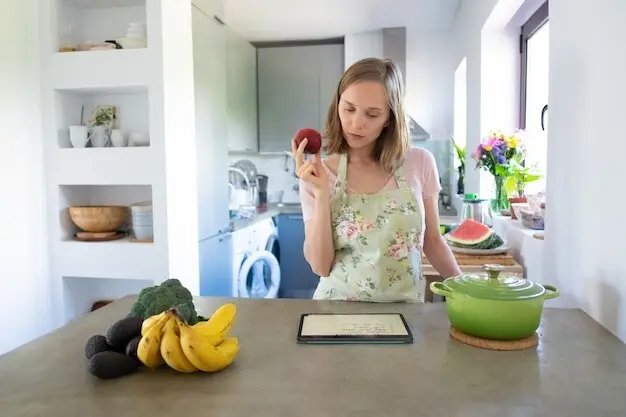
Practical wins often begin with one visible map on a door. We’ve seen roommates end dish wars, parents reclaim quiet bedtimes, and solo tenants stop late-night cleaning spirals. Real people, simple drawings, kinder conversations—together they build homes that feel supportive, not exhausting.

Getting Started Today

Grab a pen or open a shared note. Choose two recurring chores and sketch how one unlocks the other. Add constraints, handoffs, and celebration points. Then invite housemates to react, test for one week, and return here to share what shifted and subscribe for more experiments.
Loropexidavolentotavonilo
Privacy Overview

This website uses cookies so that we can provide you with the best user experience possible. Cookie information is stored in your browser and performs functions such as recognising you when you return to our website and helping our team to understand which sections of the website you find most interesting and useful.